









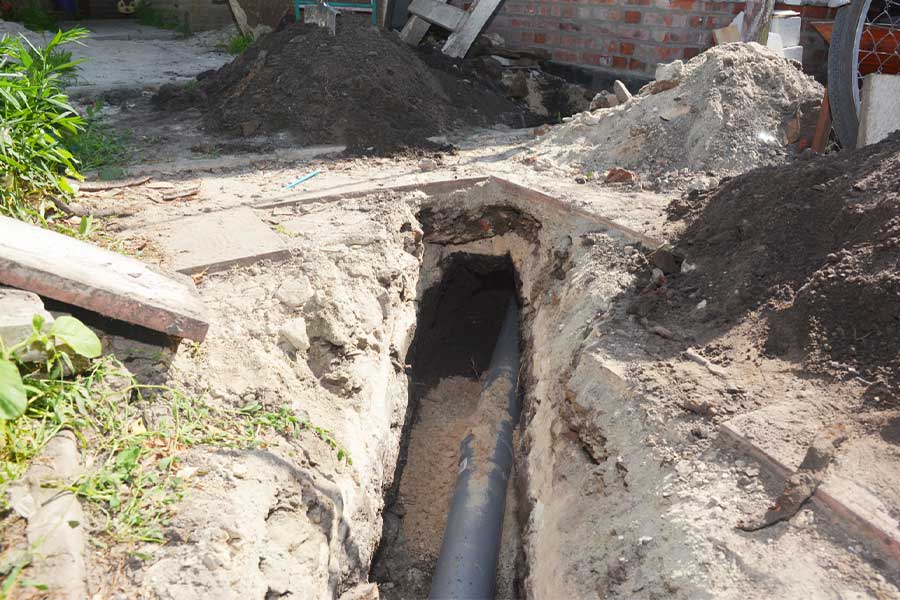
The most common drain pipe installation mistakes in Riverside, CA include using the wrong pipe material, skipping permits, getting the slope wrong, forgoing leak testing, and attempting complex line work without a licensed plumber. Each mistake is preventable, but each one can also lead to blockages, failed inspections, or costly repairs down the road.
In our service calls throughout Riverside, from the older neighborhoods along Magnolia Avenue to newer builds in Woodcrest and Mission Grove, we see these five mistakes surface again and again. Our Riverside, CA plumbing repair team addresses the consequences of these errors on a regular basis, and understanding them ahead of time helps homeowners make informed decisions before any drain pipe work begins.
1. Choosing the Wrong Pipe Material for Drain Pipe Installation in Riverside
Pipe material selection is one of the most consequential decisions in a drain installation, and it is one that deserves more consideration than it typically receives. The right material depends on the application, the location of the pipe, the soil and temperature conditions the pipe will be exposed to, and whether the installation is for a new build or a repair to an existing system.
The most common residential drain pipe materials each have specific strengths and limitations.
- PVC (polyvinyl chloride) is widely used for residential drain, waste, and vent lines. It is lightweight, affordable, and resistant to corrosion, and it performs well across most residential applications, though it has a lower tolerance for high temperature discharge than some alternatives.
- ABS (acrylonitrile butadiene styrene) is common in older Riverside homes. It is more impact resistant than PVC in cold conditions but is not permitted for all applications under current California plumbing code. Compatibility issues arise when ABS and PVC are connected without the correct transition fittings.
- Cast iron was historically the standard for main drain and sewer lines. It is extremely durable and effective at dampening flow noise, but it is heavy and more costly to install and repair. Many Riverside properties built before the 1970s still have cast iron main lines in service.
- CPVC and copper are used for water supply rather than drain lines, but they are occasionally misapplied in renovation scenarios.
Using a material that does not meet the demands of a specific installation, or mixing incompatible materials without proper transition fittings, creates failure points that may not appear immediately but develop over time into leaks, joint separations, or chemical degradation of the pipe wall. A plumber handling professional drain pipe installation can also evaluate trenchless methods and additional material considerations based on the specific conditions of the line.
2. Ignoring Local Plumbing Codes and Regulations
California has a uniform plumbing code, and Riverside enforces it through the city’s building and inspection process. Drain pipe installations that do not comply with code requirements can fail inspection, require costly corrections, and in some cases create liability issues for property owners who sell a home with unpermitted or non-compliant plumbing work.
The reasons to ensure code compliance go beyond avoiding fines.
- Safety. Plumbing codes exist because non-compliant installations create real risks, including contamination of the potable water supply through improper cross-connections, sewer gas entry into living spaces through inadequate venting, and structural issues from improperly supported pipe runs.
- Inspection approval. Any permitted drain pipe installation must pass inspection before being closed in. Work that fails inspection requires correction and re-inspection, adding time and cost to the project.
- Property value and disclosure. Non-permitted plumbing work must be disclosed in a real estate transaction and can complicate a sale or reduce a property’s value if the buyer’s inspector identifies it.
- Insurance. Some insurance claims related to water damage can be complicated or denied if the damage traces back to non-permitted or non-compliant plumbing work.
Code requirements cover pipe material specifications, minimum slope, vent stack requirements, cleanout placement, and connection methods, among other elements. A licensed plumber handles permitting and ensures all work meets current standards.
Why Does Drain Pipe Slope Matter for Proper Drainage in Riverside Homes?
Drain pipe slope matters because pipes rely on gravity, not water pressure, to move waste toward the sewer, and the wrong pitch is one of the most common causes of recurring drain problems. Getting the slope wrong is a mistake that is built into the system at installation and persists for the life of the pipe.
The standard slope for residential drain lines is one quarter inch of drop per horizontal foot of pipe run. This ratio is specific because it is calibrated to move both liquids and solids effectively.
- Too little slope and water moves too slowly, allowing solids to settle out of suspension and accumulate into blockages.
- Too much slope and water runs ahead of solids, leaving debris behind in the pipe and creating the same accumulation problem from a different direction.
Achieving consistent slope across a full pipe run requires careful planning and execution, particularly in longer runs or in situations where existing framing or structural elements create obstacles. Horizontal sections that flatten out even briefly create low points where debris collects, and these low points become recurring blockage locations that no amount of routine drain cleaning fully resolves, since the physical condition of the pipe keeps depositing material in the same spot. In cases like this, a hydro jetting service can clear the line more thoroughly than standard cleaning, though it will not correct an underlying slope problem on its own.
In Riverside, properties along the hillside areas and those with significant grade changes between the home and the street connection require additional attention to slope planning to ensure the entire run maintains consistent pitch. Drain pipe installation by a licensed plumber includes verification of slope throughout the run before the trench is closed or the installation is concealed.
Do You Need Leak Testing After Drain Pipe Installation?
Yes, a completed drain pipe installation that has not been tested for leaks is an installation that has not been finished. Testing is the verification step that confirms every joint, connection, and fitting is secure under actual operating conditions. Skipping it means relying on visual inspection alone, which cannot detect slow seeps at fittings, pinhole leaks at pipe walls, or connections that appear correct but are not fully seated.
California plumbing code requires inspection and testing of drain installations before they are concealed. This requirement exists because the consequences of an untested installation are significant. A slow leak at a concealed pipe joint may not become visible for months, during which time water is saturating the surrounding framing, insulation, or subfloor material and creating conditions for mold growth and structural deterioration.
Professional testing of a completed drain installation typically includes a water flow test to confirm drainage is performing correctly throughout the system and a pressure or air test on sections where complete visual access is not available. Any indication of a leak at a joint or fitting is corrected before the installation is signed off.
5. Skipping Professional Help for Complex Drain Pipe Installations
Some drain pipe installations are straightforward replacements of an existing run in an accessible location. Others involve main line connections, sewer tie-ins, multi-fixture layouts, vent stack modifications, or work in areas with limited access. The complexity of the installation determines the risk of errors and the difficulty of correcting them after the fact.
In Riverside, drain pipe work frequently involves older homes where the existing system has been modified over decades, where original pipe materials are reaching the end of their service life, or where root intrusion has affected the condition of buried lines. Navigating these conditions requires diagnostic capability, including camera inspection, and the experience to interpret what the inspection reveals about the best path forward.
The cost of correcting a complex installation that was not done correctly consistently exceeds what professional installation would have cost from the start. Concealed connections that were not made correctly, vent modifications that create pressure imbalances, and main line tie-ins that do not meet code are all examples of errors that require significant work to uncover and fix. Permits that were not pulled add another layer of complication when the work needs to be documented or corrected.
For any drain pipe project beyond a simple fixture drain replacement, working with a licensed plumber from the beginning protects the homeowner from these outcomes. Drain pipe repair on systems where installation errors have caused ongoing problems is a regular part of our work in Riverside, and the pattern reinforces the value of getting the installation right the first time.
Frequently Asked Questions About Drain Pipe Installation in Riverside
How much does drain pipe installation cost in Riverside, CA?
Drain pipe installation costs vary based on pipe material, length of the run, and access to the work area, with most residential projects ranging from a few hundred dollars for a single fixture line to several thousand for a full system replacement. A licensed plumber can provide an accurate estimate after evaluating the specific job.
How long does drain pipe installation take?
A straightforward drain pipe replacement in an accessible area can often be completed in a single day, while main line connections, sewer tie ins, or work requiring trenching may take several days. Permitting and inspection timelines in Riverside can also affect the overall project schedule.
Can I replace a drain pipe myself?
Drain pipe work involves code compliance, slope calculations, and leak testing that require licensing and specialized tools to get right, so this is not a project suited for do it yourself repair. A licensed plumber ensures the installation meets California plumbing code and passes inspection.
What is the best pipe material for drain lines in Riverside?
PVC is the most common choice for residential drain, waste, and vent lines because it resists corrosion and performs well in most applications, though older homes may still have ABS or cast iron in service. A licensed plumber can recommend the right material for your specific system.
How do I know if my drain pipes need to be replaced?
Frequent clogs, slow drainage across multiple fixtures, gurgling sounds, or sewage odor near a drain line are signs the pipe may be failing rather than simply dirty. A camera inspection from a licensed plumber can confirm the condition of the line and whether replacement is needed.
Getting Drain Pipe Installation Right in Riverside
Pipe material, code compliance, slope, leak testing, and professional involvement on complex work all shape how a drain system performs for the next decade or more. When homeowners weigh a repair against a full installation, the decision usually comes down to the age of the existing line, how often problems recur, and whether the current system was installed correctly in the first place. A licensed plumber can walk through that decision with you rather than leaving it to guesswork.
Pride Plumbing, Drain Cleaning & Water Heater Repair serves Riverside homeowners with licensed plumbers who handle drain pipe installation with the experience and attention to detail that lasting results require. We are a women owned, family oriented business with 240+ five star Google reviews, same day scheduling, and 24/7 emergency availability across the Inland Empire. To schedule a professional assessment or discuss an upcoming drain pipe project, contact our team today and we will make sure the work is done correctly from the start.